Understanding Common Home Inspection Surprises
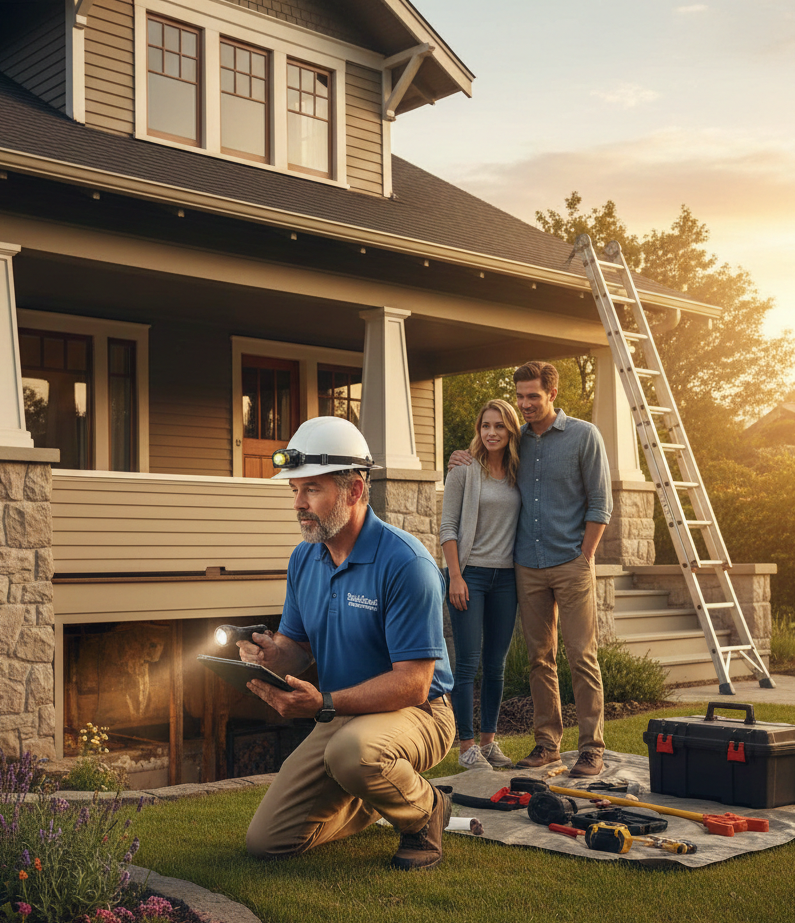
During the home buying process, potential buyers often face a variety of unexpected issues that can surface during the home inspection. These issues, if not addressed prior to purchase, can lead to costly repairs and significant inconveniences. Understanding common home inspection surprises is crucial for prospective buyers aiming to avoid future pitfalls.
One of the most frequent surprises involves the condition of the roof. Roof problems may include missing shingles, leaks, or insufficient ventilation. These issues can lead to significant water damage and mold growth if not corrected promptly. Buyers should inquire about the age of the roof and any past maintenance work that has been performed.
Another vital area of concern is the HVAC system, which may include heating, ventilation, and air conditioning components. Age, efficiency, and maintenance records are key factors to consider. If an inspection reveals a malfunctioning HVAC system, this can result in substantial repair costs or the need for a complete replacement, making it essential to assess its condition early in the buying process.
Plumbing issues are also common during home inspections. Potential problems may include leaks in pipes, outdated fixtures, or insufficient water pressure. Such deficiencies not only affect daily living but can also lead to significant water damage in a home, emphasizes the importance of having the plumbing thoroughly examined.
Electrical systems warrant attention as well. Outdated wiring, insufficient outlets, or non-compliant electrical panels can pose safety hazards and inconveniences. Buyers should ensure that the electrical system meets current building codes and that there are no safety risks. Lastly, pest infestations, particularly termites or rodents, can go unnoticed until a home inspection reveals signs of damage. These pests can compromise the structural integrity of a home and incur significant costs for eradication and repairs.
The Importance of Thorough Home Inspections
Purchasing a home is often one of the most significant financial commitments individuals make in their lives. Therefore, conducting thorough home inspections is crucial in revealing hidden problems that might lead to costly repairs down the line. Buyers should approach this process with diligence, understanding the various aspects that contribute to a meticulous inspection.
Beginning with a DIY inspection, potential homeowners should familiarize themselves with the primary components of the property. This includes checking for water damage, mold growth, and structural integrity. Inspecting the roof for missing shingles, assessing the condition of gutters, and examining the foundation for cracks can provide valuable insights into the home’s overall health. It is advisable to compile a checklist to ensure no details are overlooked during this preliminary inspection.
While DIY inspections can certainly highlight some issues, hiring qualified professionals is imperative for a comprehensive evaluation. Home inspectors possess the expertise and tools necessary to identify hidden problems that are not immediately visible to the average buyer. They can uncover issues related to plumbing, electrical systems, and mold, which might not be apparent during a casual walkthrough. Professional services increase the likelihood of revealing underlying defects that could lead to significant expenses later.
Additionally, when engaging professionals, buyers should prioritize asking the right questions. Inquiring about the age and condition of the HVAC system, previous repair history, and any known issues can arm buyers with the knowledge they need to make informed decisions. Thoroughly vetting a contractor’s credentials and previous client experiences is essential to ensure reliability. Overall, a combination of diligent DIY inspections, professional assessments, and strategic inquiries will empower buyers in uncovering potential problems, ultimately preventing unexpected repairs after the purchase.
Negotiating Repairs and Managing Expectations
When a home inspection reveals issues, buyers often face the task of negotiating repairs with the sellers. Effective communication is crucial in this phase. Buyers should prepare a clear list of the identified problems and prioritize them based on severity and potential impact on their future living conditions. By articulating specific concerns with evidence from the inspection report, buyers can bolster their position. For instance, if a home inspector identifies significant plumbing issues, highlighting the potential costs and liabilities can motivate sellers to negotiate more readily.
Moreover, it is essential to approach negotiations with flexibility and an understanding of the seller’s perspective. Recognizing that the seller may have emotional ties to the property can help foster a more cooperative dialogue. Buyers might consider suggesting a resolution that benefits both parties, such as the seller making specific repairs or providing a credit toward the buyer’s closing costs to offset future repair expenses. This approach not only demonstrates goodwill but can also simplify the negotiation process.
Adjustments to the purchase price can also serve as a beneficial strategy after an inspection. If repair issues are significant, proposing a price reduction that reflects the anticipated costs might be a viable option. Buyers should research the costs associated with the repairs to present a well-founded argument for a price adjustment, ensuring their negotiation is rooted in practicality. It’s advisable to back this request with concrete estimates from contractors or repair specialists to strengthen their case.
Lastly, it is crucial for buyers to include any repair requests clearly within the purchase agreement. This ensures accountability and sets expectations for both parties. Buyers should specify which repairs need to be addressed prior to closing, thereby minimizing any potential disputes down the line. Involving a real estate professional in these discussions can further enhance the negotiation process, providing guidance on best practices and legalities involved in home transactions.
Budgeting for Future Repairs and Financing Options
When purchasing a home, it’s crucial for buyers to consider the potential for future repairs and renovations, which can often be overlooked during the excitement of the buying process. Establishing a realistic budget for these potential expenses can save homeowners from financial strain later. One effective approach is to conduct a thorough home inspection prior to closing, as this can highlight critical repairs that may need attention shortly after moving in.
To frame a comprehensive maintenance budget, consider allocating 1% to 3% of the home’s value yearly for various repairs and upgrades. This budget provides a cushion for both routine maintenance and unexpected issues that may arise, such as plumbing failures or roof damage. Prioritizing repairs based on urgency and safety can also aid in managing the financial burden, allowing homeowners to address critical concerns first while gradually working through less pressing matters.
For many first-time home buyers in Florida, financing options play a vital role in managing repair budgets effectively. One viable solution is a cash-out refinance, allowing homeowners to leverage their home equity to access additional funds for repairs or improvements. This method can be particularly advantageous if interest rates remain favorable. Additionally, mortgage options such as FHA loans provide lower down payment requirements, making them more accessible for first-time buyers seeking to renovate or update their new home.
Finally, educating oneself on financing alternatives, budgeting strategies, and prioritizing necessary improvements can significantly aid in avoiding costly repairs post-purchase. With proper planning and resources, future homeowners can enjoy their new investment without unexpected financial burdens down the line.