

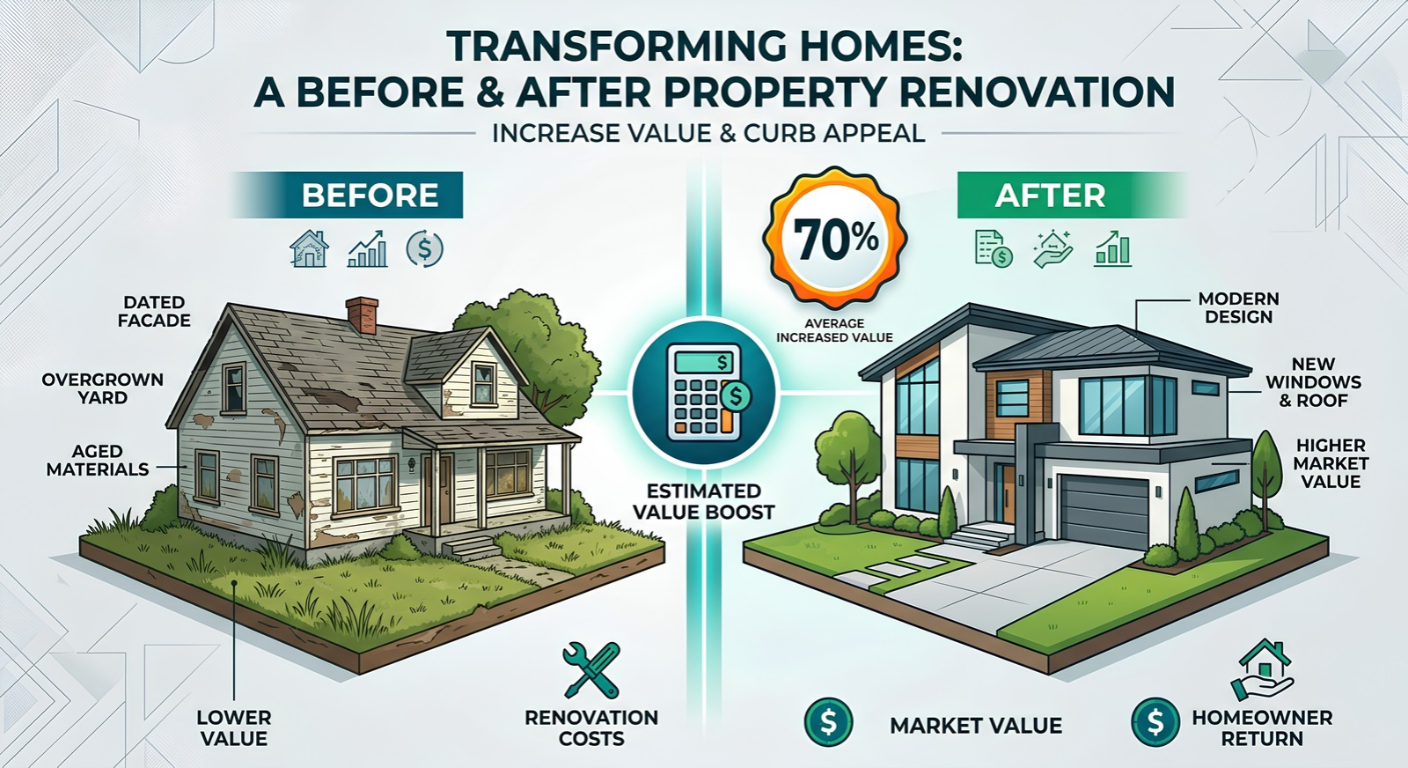
Fix and Flip Loan Basics: The 70% Rule, a Rehab Budget Lenders Trust, and Partnering Without Wrecking the Deal
Most flips do not fail on the rehab. They fail on the numbers before the offer. Here is the math, and how to set up a partnership that survives it.
Everyone remembers the flips that made money. Few people talk about the ones that quietly lost it, usually because the numbers were off before the first nail went in.
If you are thinking about your first flip, or you already run a renovation business and want to flip properties of your own, the best protection is simple: know your numbers, keep your budget realistic, and set up your partnership clearly before you borrow.
Here is the framework I walk investors through.
Planning your first flip, or your next one?
Send me the address, the rehab scope and your numbers. I will tell you if the deal fits a lender’s box before you make the offer.
Run My Flip NumbersThe 70% Rule in Plain English
Here is the formula investors use to avoid overpaying:
Maximum offer = (ARV x 70%) minus repair costs
Say a house will be worth $400,000 after repairs and needs $60,000 in work. 70 percent of $400,000 is $280,000. Subtract the repairs and your maximum offer is $220,000. The 30 percent cushion covers financing, holding costs, selling costs and your profit, which are the things beginners forget.
It is a guide, not a law. In a strong market or with cheap financing, some investors go a bit higher. In a buyer’s market, like many areas right now, sticking to the rule or going lower is smarter.
Flip Deal Calculator
Estimates only. Loan costs vary by lender.
A Rehab Budget Lenders Trust
Lenders fund repairs in draws as the work is completed, so the budget is not a formality. A strong one has:
- A line-by-line scope with real quantities and prices, not round-number guesses.
- A contingency of 10 percent or more, because surprises are normal in older homes.
- An independent bid. If you run a construction or handyman business, get the main rehab quote from an outside contractor. It keeps the budget credible, protects you if costs are questioned, and shows the lender the numbers are not padded or low-balled.
- A realistic timeline that fits the loan term, with permits included.
Want a second set of eyes on your budget and numbers? Start a scenario review
Partners, LLCs and Who Signs What
Flips often involve a capital partner and a renovation partner, or a couple with a business partner. That can work well, but only if the structure is clear before the loan.
- Decide who is the borrower. Most investor loans are made to an LLC, with owners guaranteeing. Lenders typically want to know every person who owns a meaningful share.
- Write down the split. Who contributes money, who does the work, who gets paid first, and what happens if the project runs over.
- Keep the books separate. A dedicated LLC bank account makes closing, draws and taxes easier.
- Start small. One or two flips first, in neighborhoods you know and buyers want, before you scale or hold rentals.
I am not an attorney, so have a business attorney review the LLC and partnership documents. I can tell you what the lender will need to see.
Ready to run your next deal through a lender’s eyes?
Send me the address, ARV and rehab scope. I will tell you whether it fits before you spend money on inspections.
Schedule My Flip Strategy CallFix and Flip Loans: Common Questions
What is the 70% rule in house flipping?
It says your maximum offer should be about 70 percent of the after-repair value minus the rehab cost. The remaining 30 percent covers financing, holding costs, selling costs and profit.
How much of the purchase and rehab will a fix and flip lender finance?
It varies by lender and borrower experience. Many finance a large share of the purchase and up to all of the rehab budget, while capping the total loan at around 70 to 75 percent of ARV.
Do I need experience to get a fix and flip loan?
Some lenders require completed flips, while others work with newer investors at different pricing or leverage. Having an experienced renovation partner can help.
Why would a lender want an outside contractor’s bid?
When the borrower owns the construction company, an independent bid helps verify that the budget is realistic. Ask your lender how it treats related-party contractors.
Should I use an LLC for a fix and flip?
Many investor loans close in an LLC for liability and organization, with the owners guaranteeing. Have an attorney advise on the right structure for you.