

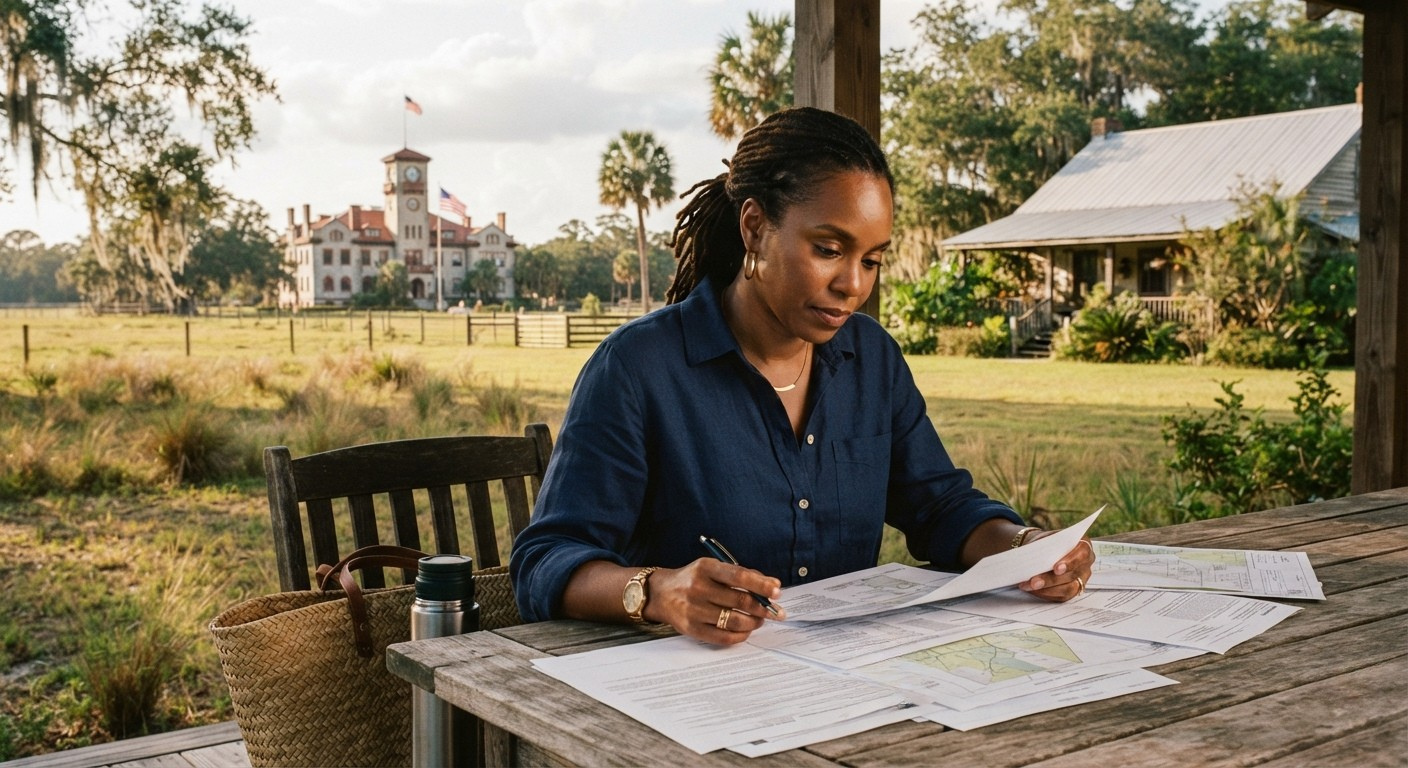
Why You Can’t Trust the Appraiser Website for Zoning — A Florida Cautionary Tale
The county appraiser site said residential. The county zoning office said agricultural. Only one of those mattered.
I’ve seen this exact scenario play out with a larger-acreage parcel in a smaller Florida town: the county property appraiser’s website clearly listed the land use as residential. Everyone involved — buyer, agent, even the initial file review — took that at face value. It wasn’t until we verified directly with the local zoning office that we found out the parcel was actually zoned agricultural. That single gap can change financing options, what you’re allowed to build, and how the property can be used.
A county property appraiser’s website shows how a parcel is currently valued and taxed — it is not the same as the parcel’s official zoning designation, which is set and maintained by the local zoning or planning department. These two records can genuinely disagree, especially on larger-acreage parcels in smaller Florida towns, and relying on the appraiser site alone can lead to financing, permitting, or usage surprises after you’re already under contract.
Buying land or a larger-acreage property?
Let’s verify zoning directly with the county before you’re financially committed.
Talk Through My PropertyWhy the Appraiser Site and Zoning Office Can Disagree
These are genuinely two different government functions, maintained by two different offices, for two different purposes:
- Property Appraiser’s Office: Focused on assessing value for tax purposes. The “land use code” shown here often reflects how the property is currently being used or was last classified for tax assessment — not necessarily its official zoning.
- Zoning/Planning Department: Maintains the official zoning designation, which governs what can legally be built, how the land can be used, minimum lot sizes, setbacks, and density — this is the record that actually controls development and, often, financing eligibility.
These records can fall out of sync for all kinds of reasons — a rezoning that wasn’t reflected in the tax record, a parcel that was subdivided without an updated designation, or simply a data entry gap between offices that don’t automatically communicate with each other.
Where This Comes Up Most Often
| Situation | Why It’s Higher Risk |
|---|---|
| Larger-acreage parcels (5+ acres) | More likely to carry agricultural or mixed-use zoning even in residential-feeling areas |
| Smaller/rural counties | Records between offices are often less digitally integrated than larger metro counties |
| Recently subdivided land | Zoning updates can lag behind new parcel IDs |
| Properties near county lines | Jurisdiction confusion increases the chance of outdated or conflicting records |
How to Actually Verify Zoning Before You Commit
- Call the county zoning or planning department directly — don’t rely solely on their website, since these can also lag behind updates. Ask for the parcel’s current official zoning designation by parcel ID.
- Request written confirmation when possible, especially for larger-acreage or rural parcels, so you have documentation if a discrepancy surfaces later.
- Ask specifically about any zoning overlays — agricultural, conservation, flood, or historic overlays can all affect usage even when the base zoning looks straightforward.
- Cross-check with your title company during the title search, since some zoning-related restrictions may also surface there.
🗺️ Zoning Verification Risk Check
See how much extra verification your specific property likely needs.
Let’s confirm what you’re actually buying — on paper and in reality.
A quick zoning verification now can save weeks of surprises later.
Start My Property ReviewFAQ: Florida Zoning Verification
Is the property appraiser website the official source for zoning?
No. The property appraiser’s site reflects value and tax assessment information, which can include a land use code — but the official zoning designation is maintained separately by the local zoning or planning department.
Can agricultural zoning affect my ability to get a mortgage?
Yes, potentially. Agricultural zoning can affect which loan programs apply and how a lender’s underwriting and appraisal process treats the property — this is worth confirming with your lender before you’re under contract.
How do I find the correct zoning for a property?
Contact the county zoning or planning department directly (not just their website) and ask for the parcel’s official current zoning designation using the parcel ID, plus any overlays that may apply.
Is this more common on certain types of properties?
Yes. Larger-acreage parcels (5+ acres) in smaller or more rural counties are more likely to have zoning discrepancies between records, especially recently subdivided land.
What should I do if I find a zoning discrepancy after going under contract?
Contact your lender and agent immediately. Depending on the discrepancy, this may affect financing options, required disclosures, or in some cases negotiating contract terms or contingencies before proceeding.