
Rate Lock Extension: What It Costs, Why It Happens, and How to Avoid Paying It
Your lock expires in three days and your closing is delayed. Here is what an extension really costs, and the habits that keep you from needing one.
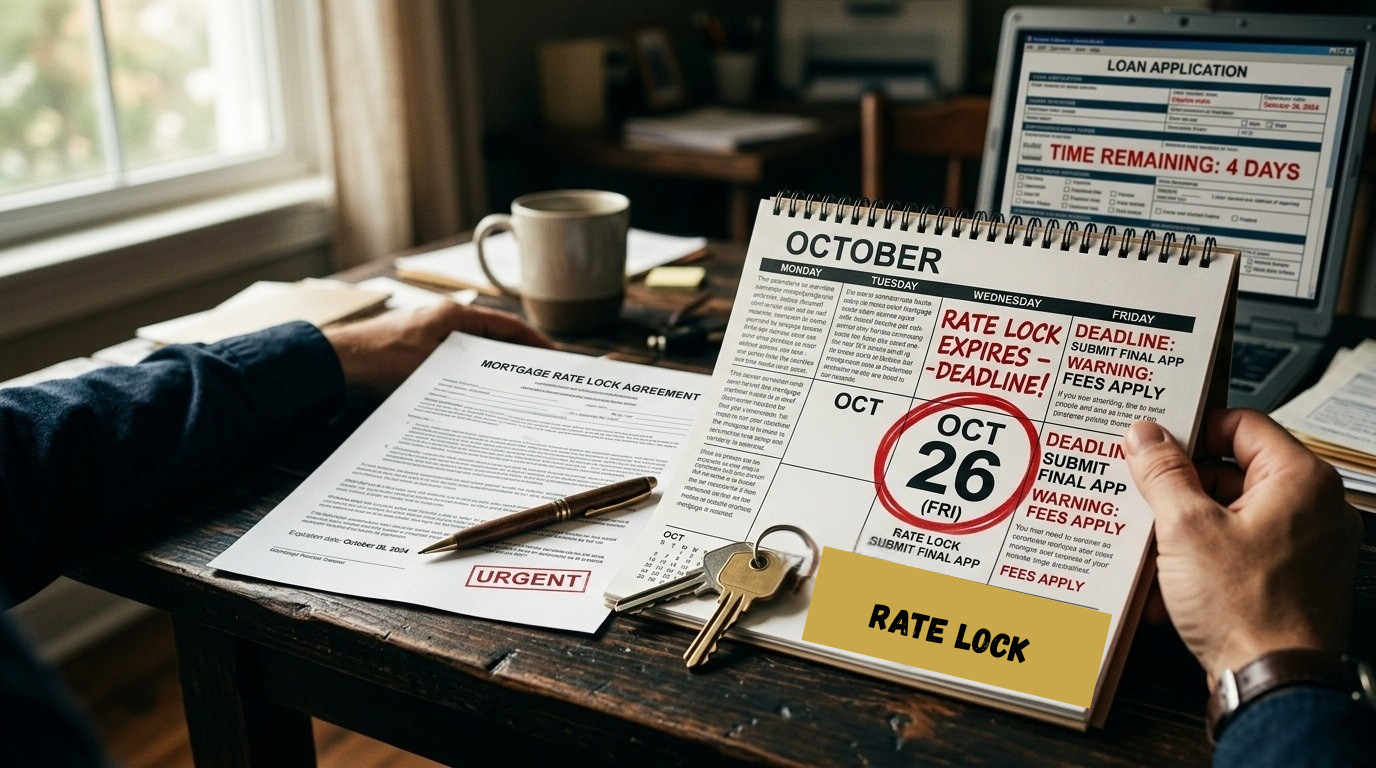
You locked your rate and felt relief. Now closing is slipping, the lock date is getting close, and someone just said the words “extension fee.”
This is one of the most stressful moments in a purchase, and it is also one of the most avoidable. Extensions usually come from small delays stacking up: an appraisal that took longer, a missing document, a title issue, an insurance snag.
Here is how extensions are priced, what you can and cannot expect from a lock, and the checklist that keeps most files from ever needing one.
Lock about to expire?
Send me your lock date and what is still outstanding. I will tell you what is realistic and what to prioritize.
Review My Lock TimelineHow Extension Pricing Works
When you lock a rate, the lender is committing to a price for a set number of days. If closing does not happen in that window, the lender takes on more risk, so extensions carry a cost. A basis point is one hundredth of one percent, so 2.5 basis points per day sounds tiny, but it adds up across a large loan.
Rate Lock Extension Cost Calculator
Example rates only. Replace them with your lender’s schedule.
Locks Are Not Flexible, and That Surprises People
- Many locks do not float down. If rates improve after you lock, you usually keep the locked rate unless your lender offers a specific float-down option.
- Pricing depends on the loan. If the loan-to-value stays the same, a smaller loan amount typically keeps the same pricing. Changes to value, credit or loan structure can change it.
- Lock length is a trade-off. Longer locks cost more up front. Shorter locks are cheaper but riskier if delays happen.
Not sure how long to lock? Start a scenario review
Why Extensions Happen
Almost every extension I see traces back to a short list of causes:
- The appraisal was ordered late, or came back needing a repair or a re-inspection.
- Documents arrived late or an explanation letter was needed for a deposit or credit item.
- Title work found a lien, an open permit or an ownership question.
- Homeowner’s insurance took longer than expected, which is common in Florida.
- A seller delay, a repair negotiation, or a closing date that kept moving.
The Checklist That Keeps You On Schedule
0 of 8 complete
If a delay is already happening, tell me early. Sometimes the closing can be pulled forward, a document can be rushed, or the plan can change before the lock gets tight.
Want your closing on time and your rate protected?
Let’s pick the right lock, line up the deadlines, and keep everyone moving.
Schedule My Closing Plan CallRate Lock Extensions: Common Questions
What is a rate lock extension?
It extends your locked rate for additional days when closing is delayed past your original lock date. Lenders charge for it, usually per day.
How much does a rate lock extension cost?
It depends on the lender. Many price per day as a fraction of the loan amount, and the daily price often increases with each extension. Ask your lender for its schedule before you lock.
Can I lower my rate if rates drop after I lock?
Usually not. Many locks do not allow a float-down. Some lenders offer a specific float-down option at an added cost, so ask before locking.
What happens if my rate lock expires?
The loan generally has to be re-priced at current market pricing, which could be higher or lower. That is why extensions are often chosen when closing is only a few days late.
How long should I lock my rate?
Long enough to close with a cushion for normal delays. Longer locks usually cost more, so the right choice balances the contract closing date, loan type and likely risks.